


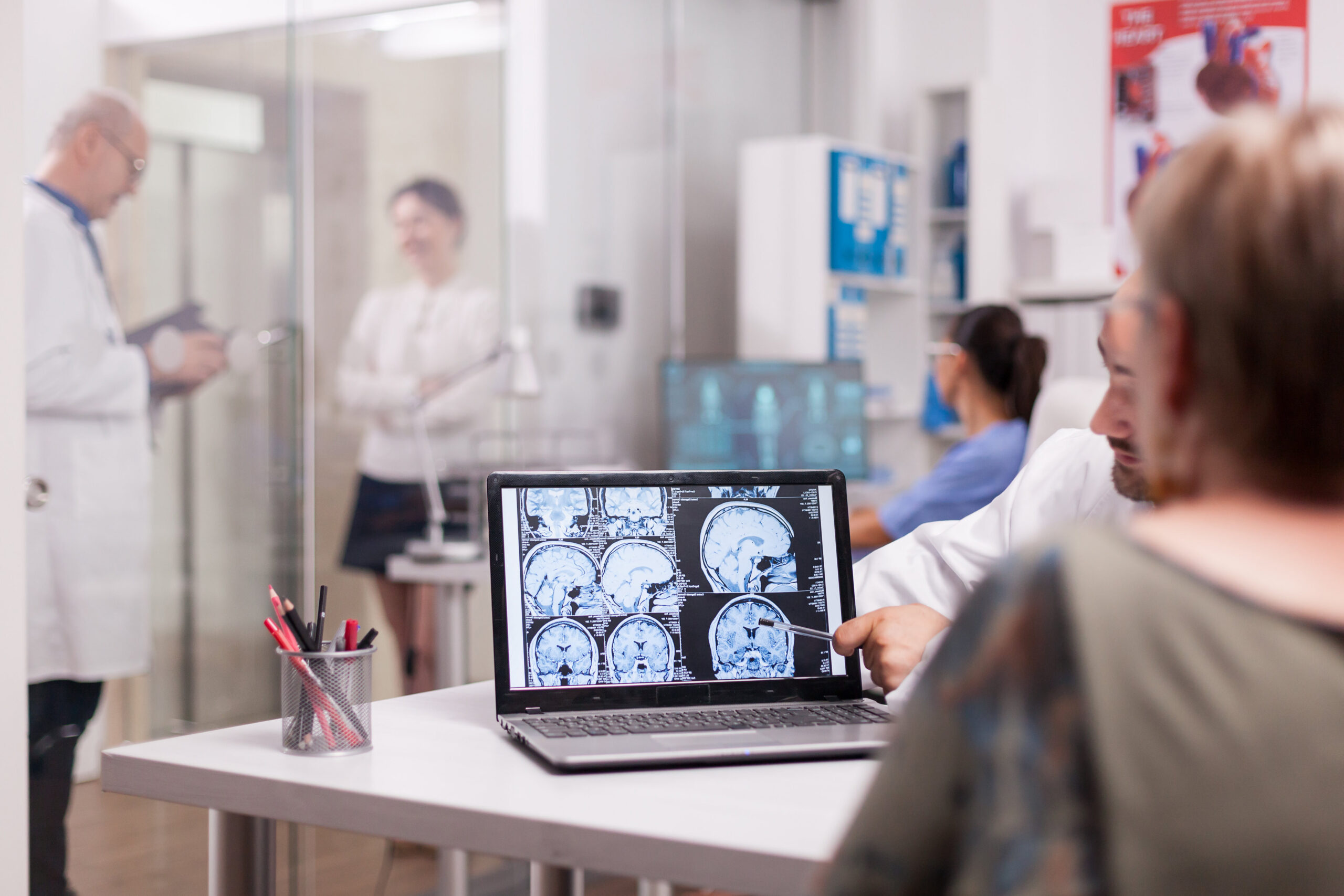

A certified headache specialist is a medical provider with advanced knowledge in headache medicine. This type of specialist focuses on understanding why headaches happen, what type of headache disorder a person may have, and what treatment plan may help reduce symptoms over time.
Headache specialists often evaluate and treat conditions such as:
- Migraine
- Chronic migraine
- Tension-type headache
- Cluster headache
- Occipital neuralgia
- Trigeminal neuralgia
- Post-traumatic headache
- Medication-overuse headache
- Headache with neck pain or nerve irritation
- Facial pain and head pain syndromes
The word “certified” matters because it shows that the provider has met specific standards in headache medicine. One recognized pathway is UCNS certification in Headache Medicine, which is designed for physicians who have completed eligibility requirements and passed a formal headache medicine examination.
There are also other headache-related credentials, such as the Advanced Qualification in Headache Medicine. However, not every provider uses the same title or certification. If you are looking for specialized headache care, it is helpful to ask about the provider’s training, certification, experience, and approach to treatment.
Is a Certified Headache Specialist the Same as a Neurologist?
Not always, but they often overlap.
A neurologist is a doctor who specializes in the brain, spinal cord, nerves, and nervous system. Since migraine and many headache disorders involve the nervous system, neurologists are often the specialists who treat more complex headache cases.
A certified headache specialist has focused training or certification in headache medicine. Many certified headache specialists are neurologists, but not all neurologists are headache specialists.
In simple terms:
- A neurologist treats many nervous system conditions.
- A headache specialist focuses specifically on headache and migraine disorders.
- A UCNS-certified headache specialist has met formal standards in headache medicine certification.
If your headaches are occasional and easy to manage, your primary care doctor may be a good starting point. But if your headaches are frequent, severe, unusual, or not improving, a certified headache specialist may be the better fit.
When Should You See a Certified Headache Specialist?
You do not need to wait until headaches take over your life before asking for help. A certified headache specialist may be helpful if headaches are affecting your ability to work, parent, sleep, exercise, socialize, or think clearly.
Consider seeing a headache specialist if you have:
- Headaches several times per month
- Migraine attacks that interfere with daily life
- Headache symptoms on 15 or more days per month
- Migraines that are becoming more frequent or harder to stop
- Headaches that do not respond well to your current treatment
- Frequent use of over-the-counter pain relievers
- Neck pain, jaw tension, or shoulder tightness with headaches
- Brain fog, poor focus, fatigue, or mood changes around migraine episodes
- Dizziness, visual symptoms, numbness, or tingling with headaches
- Headaches after a concussion or head injury
- Unclear diagnosis or mixed headache symptoms
Many patients wait too long because they assume headaches are just part of stress, hormones, screen time, or aging. While those factors can play a role, frequent headaches deserve a closer look.
Warning Signs That Need Urgent Care
Some headache symptoms should not wait for a routine appointment. Seek emergency care right away if you experience:
- The worst headache of your life
- A sudden thunderclap headache
- Weakness on one side of the body
- Trouble speaking
- Confusion or fainting
- Seizure
- Fever with stiff neck
- New severe headache after head injury
- Vision loss
- A new headache with neurological symptoms
These symptoms can sometimes point to a more serious medical problem and should be evaluated immediately.
What Can a Certified Headache Specialist Help Diagnose?
Headaches are not all the same. Two people may both say they have “migraines,” but their symptoms, triggers, pain patterns, and treatment needs may be very different.
A certified headache specialist can help identify whether your symptoms fit migraine, chronic migraine, tension-type headache, cluster headache, nerve-related pain, medication-overuse headache, or another condition.
Migraine
Migraine is a neurological condition that can cause head pain, nausea, light sensitivity, sound sensitivity, visual symptoms, fatigue, and brain fog. Some people have migraine with aura, while others do not.
Chronic Migraine
Chronic migraine generally means headaches occur on 15 or more days per month for more than 3 months, with migraine features on at least 8 days per month. This can feel exhausting because there may be very few truly “clear” days.
Tension-Type Headache
Tension-type headaches often feel like pressure, tightness, or a band around the head. They may be connected with muscle tension, stress, posture, jaw tightness, or neck strain.
Cluster Headache
Cluster headaches can cause severe pain around one eye or one side of the head. They may happen in cycles and can be extremely intense.
Occipital Neuralgia
Occipital neuralgia involves irritation of nerves at the back of the head and neck. It can cause sharp, shooting, burning, or electric-like pain that travels upward into the scalp.
Medication-Overuse Headache
Medication-overuse headache can happen when pain relievers or migraine medications are used too often. This can create a difficult cycle where the medication helps temporarily but headaches become more frequent over time.
Why Headache Care Should Look Beyond Pain
Many people think headache treatment is only about stopping pain. Pain relief matters, but a good headache evaluation should also look at the bigger pattern.
A certified headache specialist may ask about:
- How often headaches happen
- How long symptoms last
- Where the pain is located
- What the pain feels like
- Light, sound, smell, or motion sensitivity
- Nausea or digestive symptoms
- Visual changes or aura
- Sleep quality
- Stress and burnout
- Hormonal changes
- Neck, jaw, or shoulder tension
- Medication use
- Work demands, screen time, and lifestyle patterns
- Brain fog, mood changes, fatigue, or poor focus
This matters because headaches often overlap with the way the nervous system handles stress, pain, sleep, movement, and recovery. A treatment plan should match the full picture, not just the pain level on one day.
What Happens During a Headache Specialist Evaluation?
Your first visit should feel like a deeper conversation about your symptoms, not just a quick medication refill.
A headache specialist may review:
- Your headache history
- How often symptoms happen
- Your migraine or headache triggers
- Past treatments and medication response
- Other medical conditions
- Family history of migraine or neurological conditions
- Sleep, stress, mood, and energy patterns
- Neurological symptoms such as numbness, weakness, vision changes, or dizziness
A neurological exam may also be performed. In some cases, imaging or additional testing may be recommended, especially if your symptoms are new, sudden, changing, unusual, or connected with neurological warning signs.
What Treatments Can a Certified Headache Specialist Recommend?
Treatment depends on the type of headache, how often it happens, what you have already tried, and what symptoms are affecting your daily life.
A headache specialist may recommend a plan that includes:
- Acute treatments to stop headaches when they start
- Preventive treatments to reduce headache frequency
- Medication review to avoid rebound headache patterns
- Lifestyle and trigger guidance
- Sleep and stress support
- Care for neck pain, muscle tension, or nerve-related pain
- Non-drug or minimally invasive options when appropriate
- Long-term tracking to adjust the plan over time
At Navira Brain & Body, neurologist-led services in Rochester, NY may include a personalized combination of options such as therapeutic neurostimulation, osteopathic manual therapy, nerve blocks, trigger point injections, and restorative neurology strategies when appropriate.
The goal is not to cover up symptoms for a few hours. The goal is to understand the pattern and build a plan that supports better function, fewer disrupted days, and more confidence in your care.
How Headaches Can Connect to Brain Fog, Mood, and Focus
Headache and migraine symptoms do not always end when the pain improves. Many patients also experience mental fog, poor focus, irritability, low mood, fatigue, or a “migraine hangover” that can last into the next day.
This can be frustrating because you may look fine on the outside but still feel slow, drained, or disconnected on the inside.
For some patients, headache care should include a closer look at:
- Brain fog
- Poor concentration
- Low energy
- Stress overload
- Sleep disruption
- Anxiety or low mood
- Post-concussion symptoms
- Chronic pain and nervous system sensitivity
Navira’s care model is designed around this brain-body connection. For patients dealing with both headaches and cognitive symptoms, brain fog and focus support may be part of the larger conversation during evaluation.
Certified Headache Specialist in Rochester, NY
If you are searching for a certified headache specialist in Rochester, NY, it may be because your symptoms are no longer occasional or easy to ignore.
You may be missing work, canceling plans, relying on pain medication too often, or feeling anxious about when the next headache will hit. You may also be dealing with neck pain, poor focus, exhaustion, or nervous system overload that has not been clearly explained.
At Navira Brain & Body, Dr. Robert Myers provides neurologist-led care for patients with complex headache, migraine, pain, mood, focus, and recovery concerns. His background as a board-certified neurologist and UCNS-certified headache specialist allows patients to receive care through a focused headache medicine lens while also considering the broader brain-body picture.
Navira may be a good fit if you are looking for:
- A certified headache specialist in Rochester, NY
- A neurologist for migraines or chronic headaches
- Support for headache with neck pain or nerve sensitivity
- A deeper evaluation after standard treatments have not been enough
- A care plan that considers pain, mood, focus, and recovery together
- A calm, appointment-based clinic with personalized care
If you are not sure whether your symptoms are a fit, you can also take the 2-minute self-assessment as a first step.
Frequently Asked Questions
What is a certified headache specialist?
A certified headache specialist is a medical provider with focused training, experience, or certification in headache medicine. This type of specialist helps diagnose and treat migraine, chronic migraine, cluster headache, tension-type headache, nerve-related head pain, and other headache disorders.
Is a certified headache specialist better than a general neurologist for migraines?
A neurologist can treat migraines and many neurological conditions. A certified headache specialist has focused expertise in headache medicine. If your migraines are frequent, disabling, complicated, or not improving with standard care, a certified headache specialist may be a better fit.
When should I see a headache specialist?
You should consider seeing a headache specialist if you have frequent headaches, migraines that interfere with daily life, headaches on 15 or more days per month, symptoms that are changing or unusual, or headaches that are not responding to your current treatment plan.
Can a headache specialist help with brain fog from migraines?
Yes. Many people with migraines experience brain fog before, during, or after an attack. A headache specialist can help determine whether brain fog is part of your migraine pattern or whether other nervous system, sleep, mood, or recovery factors may also be involved.
Does Navira have a certified headache specialist in Rochester, NY?
Yes. Navira Brain & Body in Rochester, NY is led by Dr. Robert Myers, a board-certified neurologist and UCNS-certified headache specialist. Patients can schedule a consultation to discuss headache, migraine, pain, brain fog, focus, mood, and recovery concerns.
Final Thoughts
A certified headache specialist can be an important next step when headaches or migraines are becoming too frequent, too disruptive, or too difficult to manage alone.
If you have been trying to push through symptoms, relying on temporary fixes, or wondering whether your headaches are connected to brain fog, neck pain, fatigue, or stress overload, a more focused evaluation may help you find a clearer path forward.
For patients in Rochester, NY, Navira Brain & Body offers neurologist-led care with Dr. Robert Myers, a board-certified neurologist and UCNS-certified headache specialist. The goal is to help you better understand your symptoms and explore treatment options that fit your life, your goals, and your nervous system.