


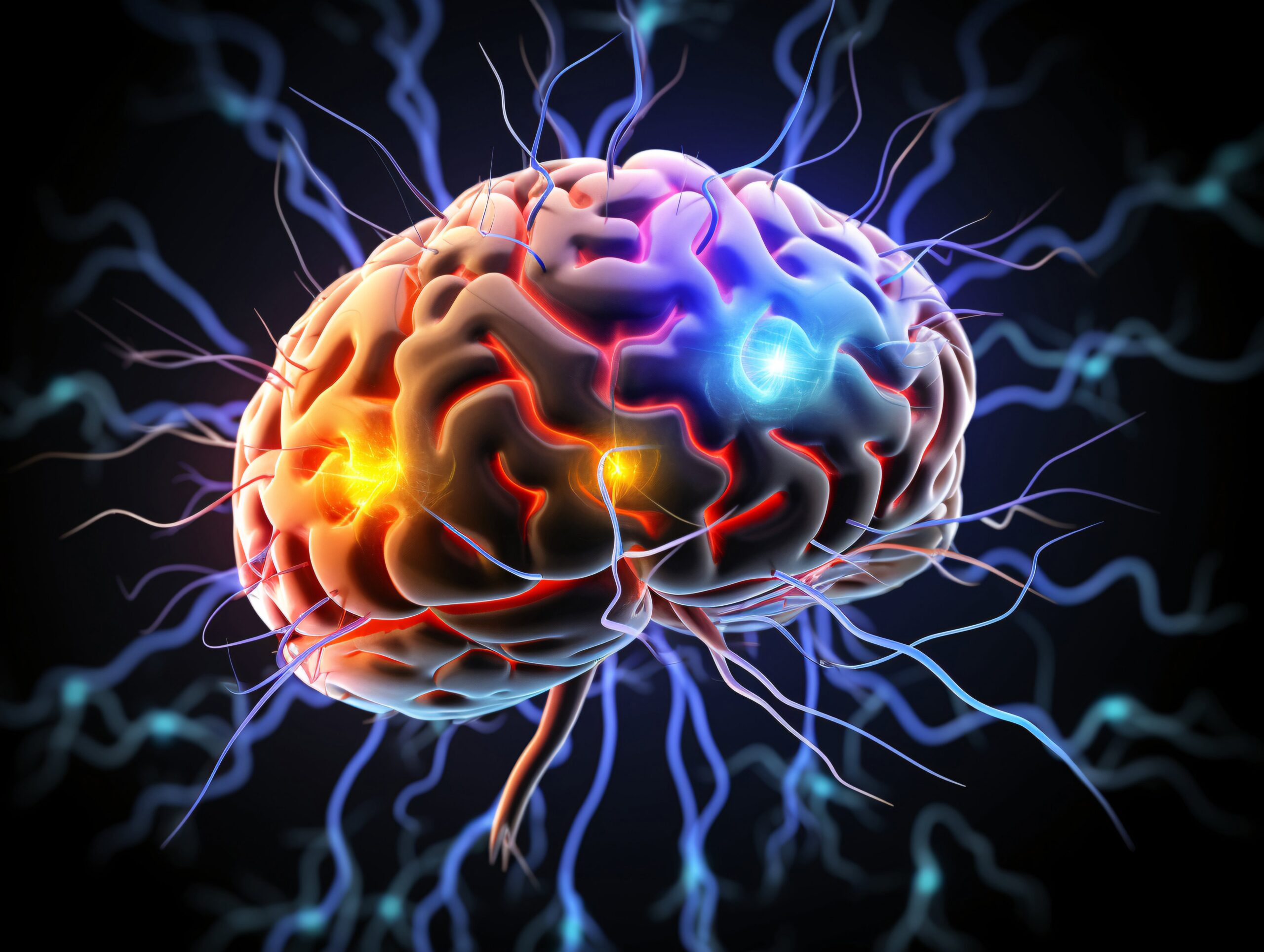

Stress is not always just “in your head.” When stress becomes chronic, it can start changing how your brain and nervous system function day to day. You may notice it as brain fog, poor focus, low patience, shallow sleep, emotional exhaustion, or the feeling that your body is always on alert.
That is one reason this topic matters so much. People often say stress “rewires” the brain. In simple terms, that means repeated stress can strengthen unhelpful patterns, like over-alertness and emotional reactivity, while making it harder to access calm, clarity, and mental flexibility.
The good news is that these patterns are not always permanent. The brain is capable of change. With the right support, many people can improve how they think, feel, recover, and respond to pressure.
At Navira Brain & Body, this conversation matters because stress rarely stays confined to one symptom. It can affect mood, focus, sleep, recovery, pain levels, and overall nervous system balance. For people looking for answers in Rochester, NY, a neurologist-led evaluation can help connect the dots and identify whether therapies like TMS and other supportive treatments may fit the pattern.
What Chronic Stress Actually Does to the Brain
Stress is designed to help you respond to challenges. In small doses, it can sharpen attention and push the body into action. But when the stress response stays switched on for too long, the brain can start operating like it is constantly preparing for threat.
This can show up in a few common ways:
1. Your alarm system gets louder
When you are under ongoing stress, the brain may become more reactive to pressure, conflict, uncertainty, or overload. You may feel more on edge, more easily overwhelmed, or quicker to jump into fight, flight, or shutdown mode.
2. Your thinking circuits get tired
Chronic stress can make it harder to focus, plan, remember details, or stay mentally sharp. Many people describe this as brain fog, mental fatigue, or feeling like their mind just cannot keep up the way it used to.
3. Emotional regulation becomes harder
When stress piles up, small problems can start feeling bigger than they are. You might feel more irritable, more reactive, more emotionally flat, or less resilient than usual.
4. Your body stays in “always on” mode
The brain and body are connected. Chronic stress can keep the nervous system stuck in a high-alert pattern that affects sleep, muscle tension, headaches, pain sensitivity, digestion, and energy levels.
Why Stress Can Feel Like It Changes Who You Are
One of the hardest parts of chronic stress is that it often feels personal. People say things like:
- I do not feel like myself anymore
- I cannot think clearly
- I used to handle more than this
- I am tired all the time, even when I rest
- I feel wired and drained at the same time
That experience is real. Chronic stress can affect the brain systems involved in attention, memory, motivation, emotional control, and recovery. Over time, your baseline can start to shift. What used to feel manageable may suddenly feel exhausting.
That does not mean you are broken. It means your nervous system may be overloaded and adapting in a way that is no longer helping you.
Can the Brain Recover From Chronic Stress?
In many cases, yes. Recovery starts with understanding that the brain is not fixed. It is dynamic. That is why stress can change patterns over time, and also why those patterns can improve with the right support.
For some people, reversing stress-related brain changes starts with foundational recovery habits such as:
- Improving sleep consistency
- Reducing ongoing overload where possible
- Supporting the body through movement and physical recovery
- Addressing pain, tension, or autonomic imbalance
- Getting evaluated when symptoms persist beyond self-care
But not everyone improves with rest alone. If stress has been affecting your focus, mood, memory, energy, or body for weeks or months, it may be time to look deeper at what your brain and nervous system need.
How TMS May Help Restore Balance
TMS, or Transcranial Magnetic Stimulation, is a non-invasive treatment that uses magnetic pulses to stimulate specific brain circuits. It is best known as an FDA-cleared treatment for certain conditions like depression, and at Navira it is part of a broader neurologist-led care model.
That matters because TMS is not presented as a cure for everyday stress. Instead, it may be considered when chronic stress overlaps with symptoms like low mood, burnout, poor focus, brain fog, or nervous system overload.
At Navira, the goal is not simply to check a treatment box. It is to understand what may be happening beneath the surface and decide whether a therapy like TMS makes sense as part of a personalized plan.
Depending on the person, TMS may help support:
- better regulation of overworked brain circuits
- improved mood and mental clarity
- stronger cognitive control and focus
- a greater sense of calm and stability
- recovery when stress has started affecting daily function
If readers want a deeper explanation, they can explore what TMS therapy is or learn more about Navira’s Reclaim Calm service.
When Stress Is More Than “Just Stress”
Sometimes people minimize their symptoms because they think stress is something they should simply push through. But it may be time to take a closer look if you are dealing with:
- brain fog that keeps affecting work or daily tasks
- poor focus for weeks or months
- sleep that does not leave you feeling restored
- persistent tension, headaches, or pain flare-ups
- feeling emotionally maxed out or unlike yourself
- low resilience, low motivation, or poor recovery
These symptoms do not automatically mean one specific diagnosis. But they may mean your nervous system has been under too much strain for too long.
Why a Neurologist-Led Approach Can Help
Stress symptoms are often multi-layered. One person may mainly struggle with burnout and poor focus. Another may have stress tied closely to pain, tension, headaches, or mood changes. Another may feel mentally exhausted after months of pushing through.
That is why a neurologist-led evaluation can be valuable. Instead of treating symptoms in isolation, it helps assess whether the bigger picture involves mood circuits, cognitive fatigue, autonomic imbalance, chronic tension, pain patterns, or a mix of several factors.
At Navira Brain & Body in Rochester, NY, care is built around that broader brain-body view. For some patients, the right next step may involve TMS. For others, it may involve a different mix of therapies, guidance, and supportive care.
FAQ: Stress, Brain Function, and Recovery
Can stress really change the brain?
Chronic stress can affect how brain circuits involved in memory, attention, emotional regulation, and threat response operate. That is one reason long-term stress often feels very different from a short busy week.
Can stress cause brain fog?
Yes. Ongoing stress can contribute to poor focus, mental fatigue, forgetfulness, slower thinking, and the feeling that your brain is not working at its usual level.
Can the brain heal from chronic stress?
In many cases, improvement is possible. Recovery may involve better sleep, lower overall stress load, nervous system support, and sometimes a more targeted medical evaluation when symptoms persist.
Can TMS help with stress-related symptoms?
It may, depending on the full picture. TMS is not a blanket solution for every type of stress, but it may be part of a broader neurologist-led plan when stress overlaps with low mood, burnout, brain fog, poor focus, or related symptoms.
When should I seek help in Rochester, NY?
If symptoms are persistent, worsening, or starting to affect work, relationships, energy, mood, or quality of life, it is reasonable to get evaluated instead of continuing to guess.
Final Thoughts
If it feels like stress has changed how your brain works, you are not imagining it. Chronic stress can affect focus, mood, memory, recovery, and how safe or stable your body feels from day to day.
But that does not mean you are stuck this way forever. The brain can adapt, and the right support may help restore clarity, resilience, and a healthier sense of balance.
If you are in Rochester, NY and want a clearer understanding of what stress may be doing to your brain and what next step may actually help, Navira Brain & Body offers a neurologist-led path built around mood, focus, recovery, and brain-body wellness.