
Refer a Patient
We accept referrals by phone, email, and fax. The process is straightforward, and we respond within one to two business days. Patient name, contact information, and a brief clinical summary is all we need to get started.

How To Send a Referral
Choose the method that works best for your practice.


Available during clinic hours. If we miss your call, we will return it within one to two business days. Basic patient information and a written referral summary or clinical note is sufficient. No special form required.
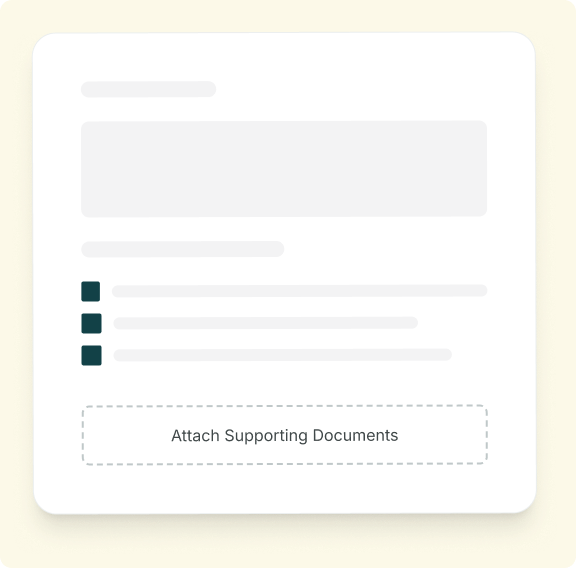
What To Include with Your Referral
To ensure a seamless intake process and the most accurate
diagnostic preparation, please include the following
documentation:
Patient name and date of birth
Patient contact information (phone and email)
Brief clinical summary (diagnosis, current treatment, reason for referral)
Referring provider name, practice, and contact information
Any relevant prior records (optional but helpful)
What Happens Next
We contact the patient within one to two business days to schedule a consultation.
Dr. Myers conducts an in-person evaluation, reviews history and safety, and determines whether TMS is appropriate.
We notify the referring provider that the patient has been seen.
Treatment begins if the patient is a candidate and chooses to proceed.
We communicate with the referring provider on treatment decisions and at key points throughout care.
Navira Brain & Body
- Dr. Robert Myers, D.O. | Board-Certified Neurologist
- 1580 Elmwood Ave, Suite 1B, Rochester, NY 14620
- Phone: (585) 598-4093
- Fax: (585) 280-9626
- Email: care@naviramed.com
- Response time: 1 to 2 business days