



If you are thinking about TMS, one of the biggest questions is usually the simplest one: what actually happens during the first session?
That question matters. For many people, fear does not come from the treatment itself. It comes from not knowing what the experience will feel like, how long it takes, whether it hurts, or what happens after you leave the clinic.
At Navira Brain & Body in Rochester, NY, TMS is part of a neurologist-led care model focused on mood, focus, recovery, and brain-body wellness. If you are exploring a non-drug option and want a clear picture of the patient journey, here is what to expect from consultation through treatment.
First, You Start With a Consultation
Your first step is not jumping straight into treatment. It starts with a consultation and evaluation.
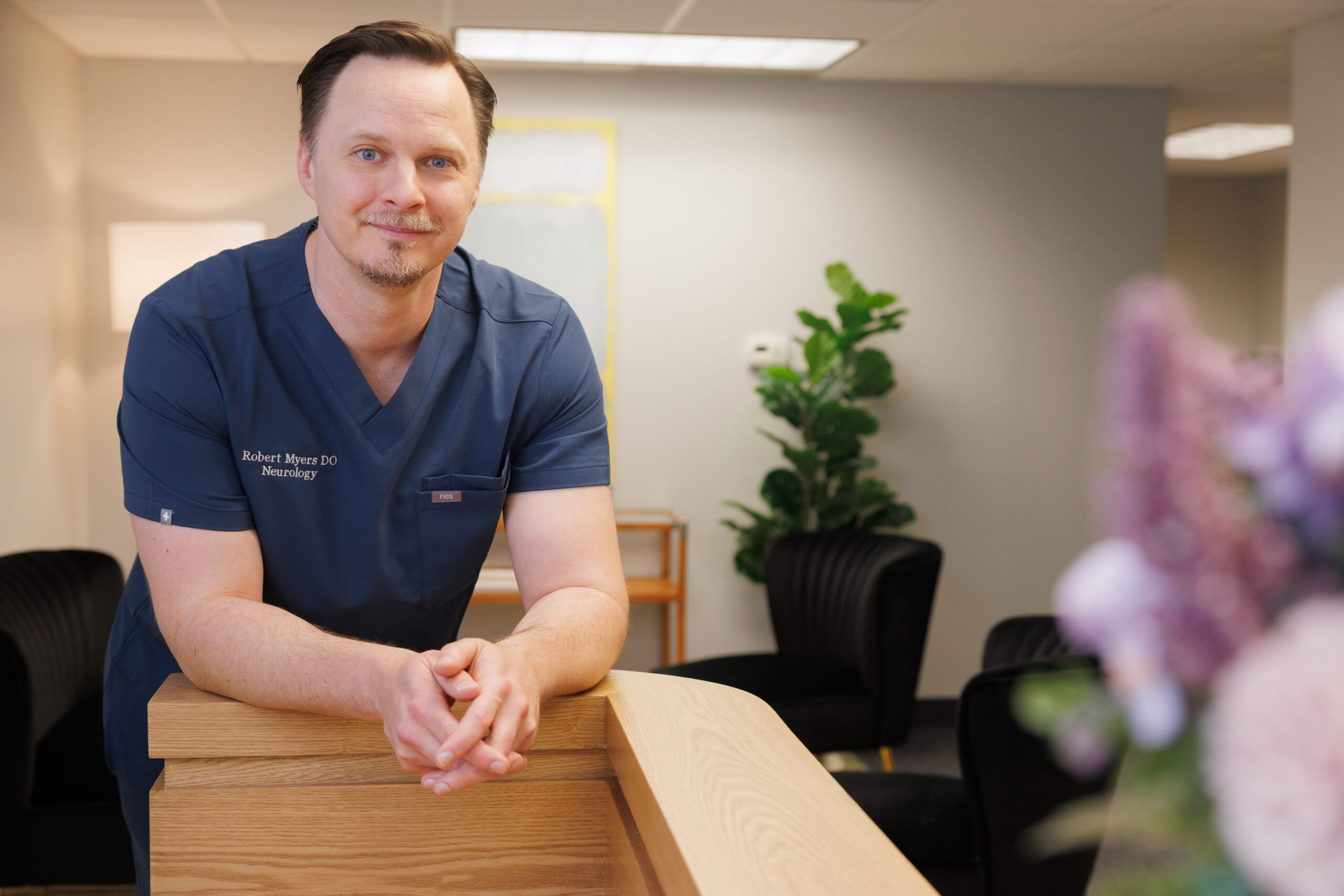
At Navira, the process begins with a secure intake form where you can share your symptoms, health history, and goals. After that, you meet with Dr. Myers to review whether TMS makes sense for your situation, go over safety considerations, and build a personalized treatment plan.
This part is important because TMS is not meant to be one-size-fits-all. A good first visit should help answer questions like:
- Are your symptoms a good fit for TMS?
- What are your goals for treatment?
- What should your treatment plan look like?
- Are there any reasons to be cautious or consider a different path first?
What the Treatment Room Feels Like
One thing that helps many patients feel more comfortable is knowing the setting is not like a hospital procedure room. Navira describes its clinic as appointment-only, private, and designed to feel calm rather than rushed or crowded.
That matters when you are already walking in with stress, low mood, brain fog, or mental fatigue. The goal is to make the experience feel clear, supportive, and manageable from the moment you arrive.
What Happens During the First TMS Session?
During the session, you sit in a treatment chair while the TMS device is positioned near your scalp. The device delivers targeted magnetic pulses to specific brain regions involved in mood, focus, and regulation.
You stay awake the entire time. There is no anesthesia, no sedation, and no recovery room. TMS is not the same as shock therapy, and it does not involve intentionally causing a seizure.
For many people, the sensation feels like a gentle tapping, knocking, or pulsing on the scalp. It can feel unfamiliar at first, but most patients describe it as tolerable, especially once they know what to expect.
How Long Does a TMS Session Take?
At Navira, treatment sessions are generally about 20 to 30 minutes. That makes TMS easier to fit into real life than many people expect.
You are not spending half a day at the clinic. Most patients are in, treated, and back to the rest of their day without needing downtime.
Does the First TMS Session Hurt?
This is one of the most common concerns, and it is understandable.
Most people do not describe TMS as painful in the way they feared before starting. The more common description is that it feels like tapping on the scalp. Some people notice mild discomfort or sensitivity early on, especially while getting used to the sensation, but many find it becomes easier as treatment continues.
If something feels too intense, that is part of what the care team helps guide you through. The goal is not to force you through an uncomfortable experience. It is to help you settle into a treatment plan that feels manageable and appropriate.
What Can You Do After the Session?
One of the reasons people are drawn to TMS is that it does not usually take you out of your day. After your session, most people can drive themselves home, go back to work, run errands, or continue with normal activities.
That makes TMS especially appealing for adults who want a treatment option that feels realistic alongside work, family, and daily responsibilities.
What Does the Full TMS Treatment Process Look Like?
Your first session is just the beginning. A full course of TMS usually involves daily sessions over several weeks.
At Navira, the process is presented in four simple stages:
- Quick Start: complete your secure intake form
- Personalized Evaluation: meet with Dr. Myers to confirm fit and review safety
- Begin Treatment: start your 20 to 30 minute sessions
- Stay on Track: monitor progress and adjust as needed
This structure is helpful because it gives patients a clear roadmap. You are not left wondering what comes next after the first visit.
How Soon Do People Notice Results?
This is another big question, and the honest answer is that timing varies.
Navira notes that many people begin noticing improvements within 2 to 4 weeks, while a full course usually extends over several weeks. Some patients notice changes gradually rather than all at once. Others first notice small shifts like better clarity, more motivation, or feeling less emotionally heavy.
The key is to think of TMS as a process, not a single magic session. The first treatment is important because it helps you get oriented, but meaningful change usually comes over time as the full treatment plan unfolds.
What If You Feel Nervous Before Your First Session?
That is completely normal.
Many people come in with concerns like:
- What if it feels strange?
- What if I do not know what to do?
- What if I get overwhelmed?
- What if I have been disappointed by other treatments before?
The good news is that this is exactly why a patient-friendly, neurologist-led process matters. A good first session should feel like a guided experience, not a mystery. When you understand the steps, the treatment often feels much less intimidating.
FAQ: First TMS Session Questions
Do I need someone to drive me to my first TMS session?
Most people do not. Because TMS does not require sedation or anesthesia, patients can usually drive themselves and return to normal daily activities right after treatment.
Can I work after a TMS session?
In many cases, yes. Most patients are able to go back to work or continue with their day after the session.
How long is the first TMS appointment?
The treatment session itself is typically about 20 to 30 minutes, though your consultation and evaluation process may take longer depending on what needs to be reviewed.
Will I feel better after one session?
Most people should not expect the full result from a single session. TMS is usually delivered as a series, and many patients start noticing changes within a few weeks.
Is TMS scary?
For many patients, the fear is worse before the first visit than during the treatment itself. Once they understand the process and feel the tapping sensation, it often feels more manageable than they expected.
Final Thoughts
If you have been hesitating because you are unsure what your first TMS session will be like, that hesitation makes sense. Most people feel more comfortable once the process is explained clearly.
At Navira Brain & Body in Rochester, NY, the first step is about clarity, comfort, and making sure the treatment plan fits you. From consultation to treatment sessions, the experience is designed to be structured, non-invasive, and realistic for everyday life.
If you are looking for a non-drug, neurologist-led path for low mood, burnout, poor focus, or brain fog, understanding the first session is often what makes the next step feel possible.