
Specialty Headache Care in Rochester
Expert diagnosis and treatment of migraine and other headache disorders, with medication and in-office treatment options.
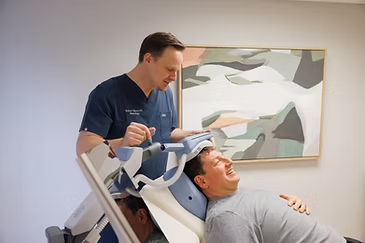
What I Treat
Headache care focused on getting the diagnosis right.

Migraine and chronic migraine

Cervicogenic headache

Occipital neuralgia

Post-traumatic headache

Persistent or difficult-to-treat headaches
IN-OFFICE TREATMENTS
Migraine Botox
Occipital nerve blocks
Cranial nerve blocks
Trigger-point injections
In-office rescue treatment for prolonged or severe headache attacks
More Than Medication Management
Headache treatment doesn’t always mean another prescription.
Treatment is individualized and may include traditional headache medications, newer CGRP- targeting medications when appropriate, as well as treatments performed directly in the office.
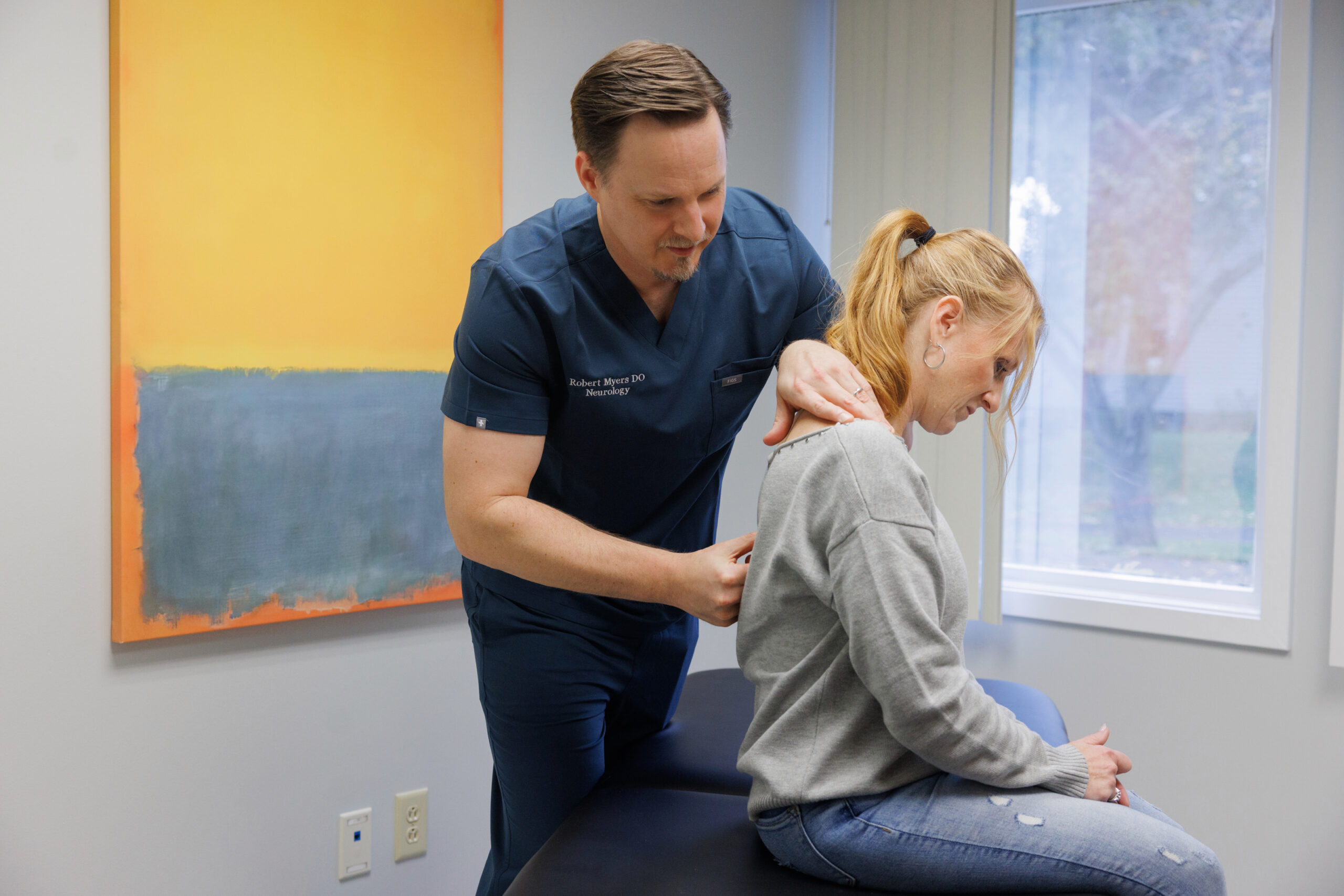
Headache + Neck Pain
Headache and neck pain often overlap.
For patients with a significant cervical or musculoskeletal component, treatment can address both the headache disorder and contributing neck pain. Treatment may include osteopathic manipulative treatment (OMT), headache procedures, and coordination with physical therapy when appropriate.
When Specialty Headache Care Can Help
You don’t have to wait until headaches become severe or chronic to see a headache specialist.
Specialty evaluation can be helpful when the diagnosis isn’t clear, headaches are becoming more frequent or disabling, or medications aren’t working or aren’t well tolerated. It can also help when a prolonged headache isn’t breaking, headache or neck pain is interfering with rehabilitation, or procedural treatment such as Botox or nerve blocks may be appropriate.
Need Help With a Headache?
For healthcare professionals: Referrals from primary care, physical therapy, and other healthcare professionals are welcome.