


Neck pain, back pain, tight muscles, and recurring headaches can make everyday life harder than it should be. You may feel stiff when you wake up, tense after sitting at a desk, sore after activity, or frustrated because the pain keeps coming back even after rest.
For many people, pain is not caused by one simple issue. It can involve joints, muscles, posture, nerves, stress, movement habits, and how the nervous system responds to discomfort over time.
That is where Osteopathic Manual Therapy, often called OMT, may help. At Navira Brain & Body in Rochester, NY, OMT is part of a brain-body approach designed to look beyond temporary symptom relief and better understand what may be contributing to pain, tension, and limited movement.
What Is Osteopathic Manual Therapy?
Osteopathic Manual Therapy is a hands-on treatment approach used to evaluate and treat muscles, joints, fascia, and movement restrictions in the body. Instead of only focusing on where the pain hurts, OMT looks at how different parts of the body are moving together.
For example, neck pain may be connected to posture, upper back stiffness, shoulder tension, muscle guarding, jaw tightness, or stress-related nervous system tension. Low back pain may involve the hips, pelvis, spine, core stability, or movement patterns that place extra strain on the body.
The goal of OMT is to help improve mobility, reduce muscle tension, support better alignment, and restore healthier movement patterns.
How OMT May Help Neck and Back Pain
Neck and back pain often become frustrating because the body starts protecting itself. When something hurts, muscles may tighten around the area. This can feel protective at first, but over time, it may limit movement and keep pain cycles active.
Osteopathic Manual Therapy may help by addressing several common contributors to pain:
- Joint restriction: When joints are not moving well, surrounding muscles may work harder and become irritated.
- Muscle tension: Tight muscles can create stiffness, soreness, and reduced range of motion.
- Postural strain: Long hours at a desk, phone use, driving, or repetitive work can overload the neck, shoulders, and back.
- Movement imbalance: When one area is restricted, another area may compensate, which can create a chain reaction of discomfort.
- Nervous system sensitivity: Chronic pain can make the nervous system more reactive, causing pain to feel louder or more persistent.
OMT is not about forcing the body into a quick fix. It is about helping the body move more comfortably and reducing the mechanical stress that may be keeping pain active.
Common Problems OMT May Support
At Navira, Osteopathic Manual Therapy may be used as part of care for people dealing with:
- Neck pain
- Upper back pain
- Low back pain
- Muscle tightness
- Mobility restrictions
- Postural strain
- Cervicogenic headaches
- Chronic tension patterns
- Pain that worsens with stress or long workdays
If you are searching for neck pain treatment in Rochester, NY or OMT for back pain, the most important first step is understanding why your pain keeps returning. A hands-on evaluation can help identify whether your pain may be related to joint restriction, muscle guarding, posture, movement habits, or nervous system sensitivity.
What Are Cervicogenic Headaches?
A cervicogenic headache is a headache that may be related to the neck. Some people feel pain that starts at the base of the skull and moves toward the forehead, temples, or behind the eyes. Others notice headaches that worsen after sitting, driving, screen use, poor sleep, or neck stiffness.
These headaches can sometimes be connected to muscle tension, joint restriction, posture, or irritation in the upper neck. OMT may help by improving neck mobility, reducing tension, and addressing movement patterns that may be contributing to the headache cycle.
If you frequently deal with headaches and neck tightness together, it may be worth discussing whether a structural and neurological evaluation is appropriate.
Why Posture and Stress Matter More Than You Think
Many people think posture is only about sitting up straight. In reality, posture is about how your body manages load, tension, and movement throughout the day.
Stress can also play a major role. When your nervous system is stuck in a high-alert state, muscles may stay tense even when you are trying to relax. This can affect the neck, shoulders, jaw, back, and breathing patterns.
Over time, this can create a cycle:
- Stress increases muscle tension.
- Muscle tension increases pain.
- Pain makes the nervous system more reactive.
- A reactive nervous system makes it harder for the body to relax.
This is why a brain-body approach matters. Pain is not always just a muscle problem. It can involve the nervous system, stress response, movement, posture, and recovery capacity.
How Navira Combines Hands-On Care With Neurologist-Led Evaluation
Navira Brain & Body is a neurologist-led clinic in Rochester, NY focused on mood, focus, recovery, pain relief, and brain-body wellness. For people dealing with neck pain, back pain, chronic tension, or headaches, this means care can be approached from both a structural and neurological perspective.
Instead of looking at pain as only a local issue, Navira considers how the nervous system, musculoskeletal system, stress response, and movement patterns may be interacting.
This may include:
- A detailed review of your symptoms and history
- A hands-on structural assessment
- Evaluation of posture, mobility, and pain patterns
- Discussion of stress, sleep, energy, and nervous system sensitivity
- A personalized care plan based on your goals and symptoms
For some patients, OMT may be part of a broader care plan that also includes restorative neurology strategies, magnetic stimulation therapy, or supportive nervous system care. The right plan depends on your evaluation and what is medically appropriate for your situation.
What to Expect During an OMT Visit
If you have never tried Osteopathic Manual Therapy before, it is normal to wonder what the visit feels like. OMT is typically gentle and guided by your comfort level.
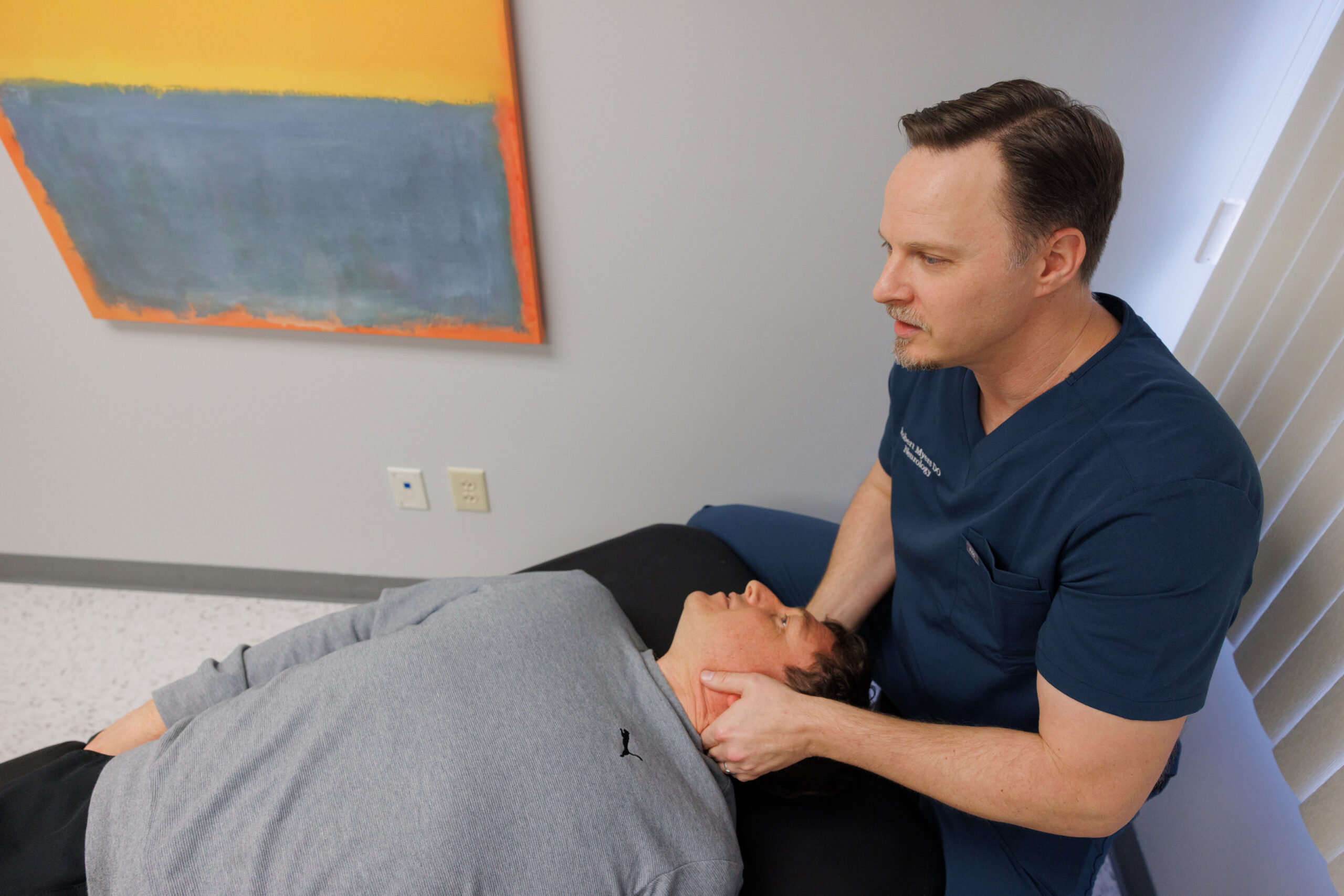
During your visit, your clinician may assess how your spine, neck, shoulders, ribs, hips, or other areas are moving. Treatment may include hands-on techniques designed to reduce restriction, improve mobility, and calm tension patterns.
Many patients describe OMT as relaxing, relieving, or clarifying because it helps them understand where tension is coming from and how different parts of the body are connected.
OMT is not the same as a massage
Massage usually focuses on soft tissue relaxation. OMT may include soft tissue work, but it also looks at joint motion, alignment, posture, muscle activation, and whole-body mechanics.
OMT is not a one-size-fits-all treatment
Your treatment should be based on your symptoms, health history, comfort level, and exam findings. The goal is to create a plan that supports your body instead of forcing it.
Who May Be a Good Fit for OMT?
You may be a good candidate for an OMT evaluation if you are dealing with:
- Neck or back pain that keeps returning
- Chronic muscle tightness
- Headaches connected to neck tension
- Posture-related pain from desk work or screen use
- Pain that worsens during stress
- Limited mobility or stiffness
- Pain that has not fully improved with rest, stretching, or general exercise
- A desire for non-drug pain relief options
OMT may not be appropriate for every person or every condition. That is why a careful evaluation is important, especially if your pain is severe, worsening, related to injury, or associated with neurological symptoms like weakness, numbness, balance problems, or changes in bladder or bowel control.
When Should You Get Evaluated?
You should consider getting evaluated if your neck or back pain is affecting your work, sleep, movement, mood, or daily activities. Pain that keeps returning is usually a sign that something deeper needs to be understood.
It may also be time to seek care if you notice:
- Pain lasting longer than a few weeks
- Frequent flare-ups
- Headaches with neck stiffness
- Tension that does not improve with rest
- Pain that spreads into the shoulder, hip, arm, or leg
- Brain fog, fatigue, or poor sleep along with chronic pain
A neurologist-led evaluation can help determine whether your symptoms may involve structural strain, nervous system sensitivity, or another medical concern that needs attention.
Can OMT Help With Non-Drug Pain Relief?
For many people, OMT is appealing because it is hands-on and does not rely on medication. It may be especially helpful for people who want to understand the body mechanics behind their pain and explore a more personalized approach.
However, non-drug care does not mean ignoring medical evaluation. The safest and most effective care starts with understanding what is causing or contributing to your pain.
At Navira, OMT can fit into a broader non-drug pain relief plan that considers the body, brain, and nervous system together.
Frequently Asked Questions About Osteopathic Manual Therapy
Is Osteopathic Manual Therapy painful?
OMT is usually designed to work within your comfort level. Some people may feel mild soreness after treatment, similar to how the body can feel after movement or physical therapy, but treatment should not feel forceful or unsafe.
How many OMT sessions will I need?
The number of sessions depends on your symptoms, how long the problem has been present, your exam findings, and your goals. Some people need short-term support, while others benefit from a more structured plan.
Can OMT help headaches?
OMT may help certain headaches that are related to neck tension, joint restriction, posture, or muscle tightness. If your headaches are new, severe, worsening, or unusual for you, it is important to get medically evaluated.
Is OMT good for posture-related pain?
OMT may help address mobility restrictions and muscle tension that contribute to posture-related pain. It can also support better movement patterns when combined with education and lifestyle changes.
Is OMT the same as chiropractic care?
OMT and chiropractic care are not the same. OMT is performed by physicians trained in osteopathic medicine and may use a range of gentle hands-on techniques based on medical evaluation, anatomy, and whole-person care.
Takeaway: Neck and Back Pain Deserve a Deeper Look
If you are dealing with neck pain, back pain, muscle tension, postural strain, or headaches, your body may be asking for more than temporary relief. Pain can involve how your joints move, how your muscles respond, how your nervous system processes discomfort, and how stress affects your body.
Osteopathic Manual Therapy offers a hands-on way to address structural contributors to pain while supporting healthier movement patterns. At Navira Brain & Body in Rochester, NY, OMT is part of a more complete brain-body approach that combines hands-on care with neurologist-led evaluation.
If you are ready to better understand what your pain may be telling you, a personalized evaluation can help you take the next step with more clarity and confidence.