


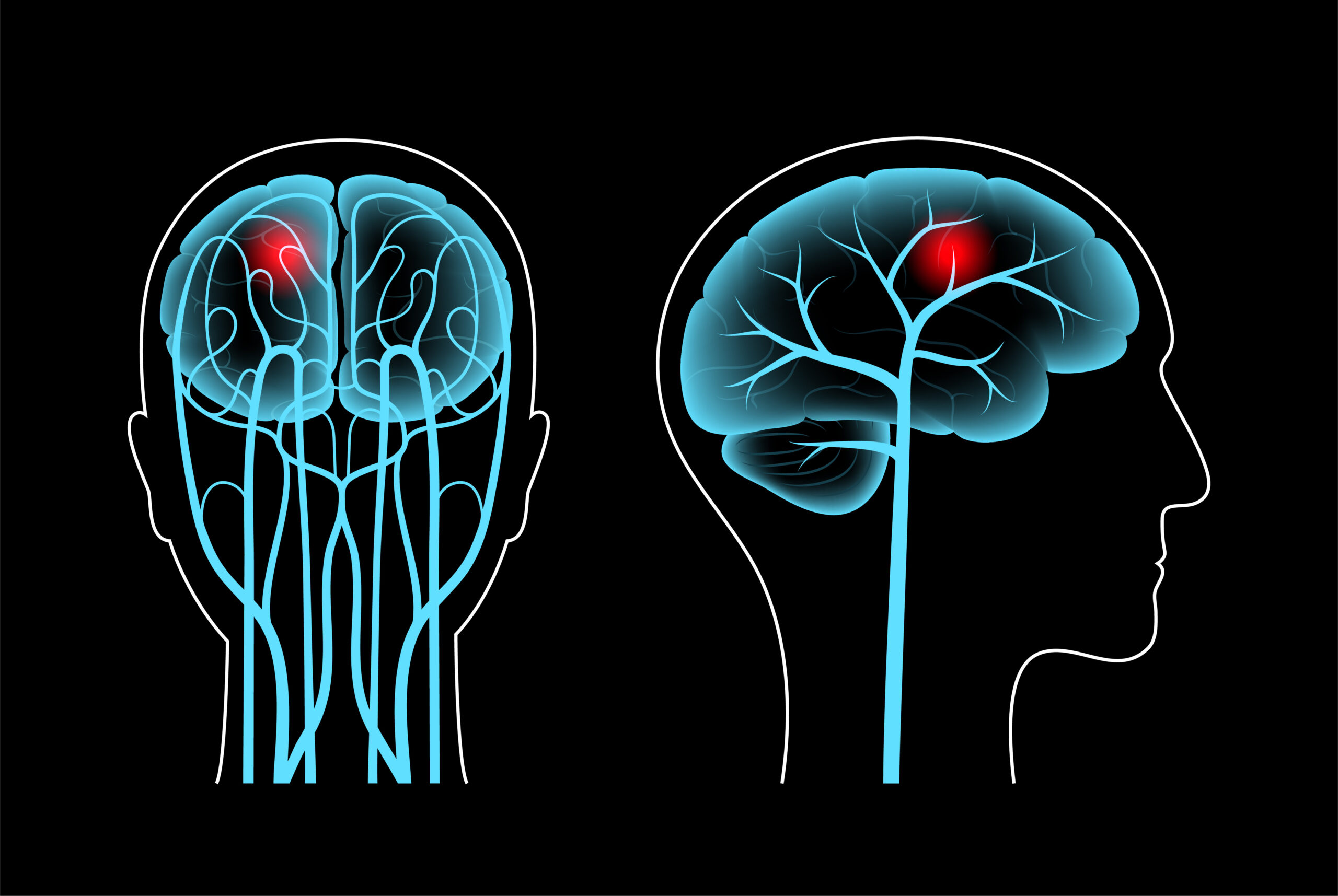

Depression can make the brain feel stuck.
A person may keep having the same painful thoughts. They may feel tired, hopeless, or unable to enjoy things. Even when they want to feel better, their brain may keep going back to the same negative patterns.
This is where neuroplasticity matters.
Neuroplasticity means the brain can change. It can build new pathways, learn new habits, and respond in new ways. When someone is depressed, the brain may have a harder time making these changes. It can become more “rigid,” which means old patterns are harder to break.
TMS, or transcranial magnetic stimulation, is a treatment that may help the brain become more flexible again.
TMS uses gentle magnetic pulses to stimulate parts of the brain involved in mood. For depression, doctors often target the front part of the brain, called the prefrontal cortex. This area helps with mood, choices, focus, and emotional control.
A simple way to think about TMS is like physical therapy for the brain.
If a muscle is weak, one exercise will not fix it. But doing the right exercises again and again can make the muscle stronger. TMS works in a similar way. Each session gives the brain a small push. Over time, repeated sessions may help mood-related brain circuits work better.
TMS does not erase depression in one moment. Instead, it may help the brain get unstuck. It can make it easier for the brain to form healthier patterns.
This is why TMS often works best as a series of treatments.
The repeated stimulation may help the brain improve communication between areas that control mood and emotions.
TMS can also work well with therapy, healthy routines, sleep, exercise, and social support. TMS may help open the door to change, but daily life helps the brain practice those changes.
In simple terms, depression can trap the brain in negative patterns.
TMS may help the brain become flexible enough to build better ones.