


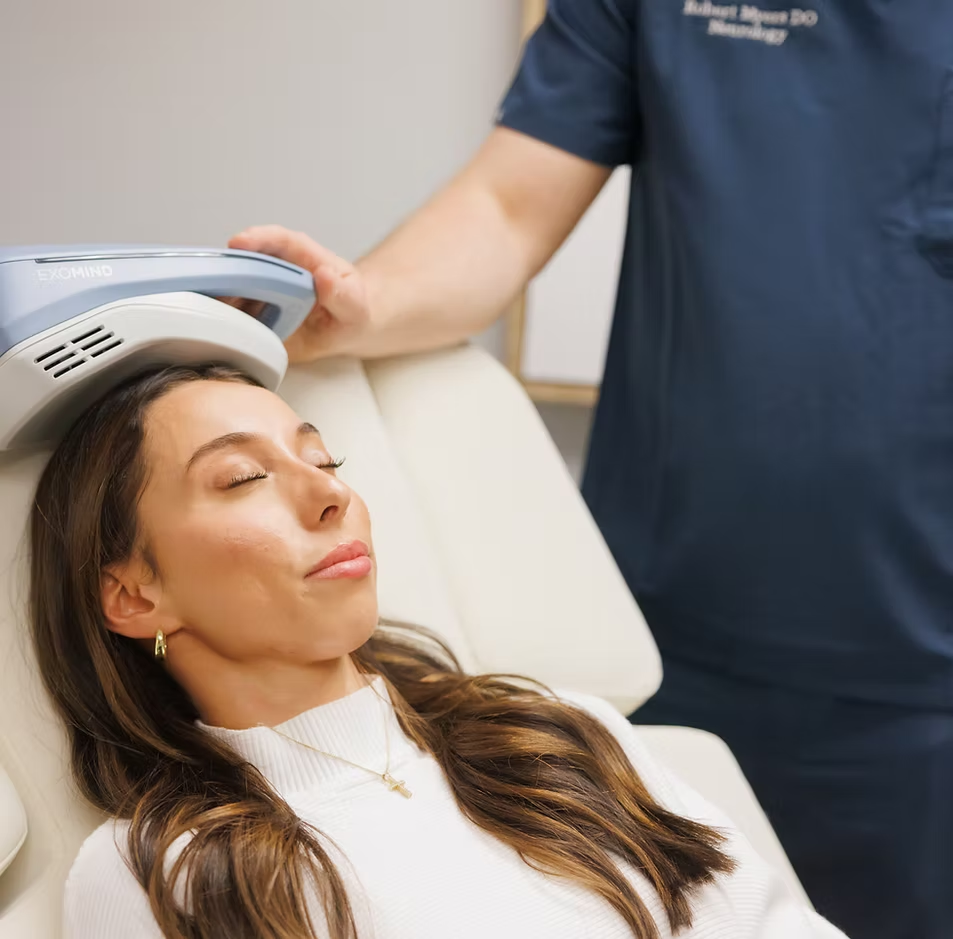

If TMS helped you once, it can be unsettling to notice old symptoms starting to return.
For some people, transcranial magnetic stimulation can create a dramatic shift in mood, motivation, emotional resilience, and daily functioning. Life may feel brighter, more manageable, and more connected again. But if that relief fades months or even years later, it does not mean the treatment failed. It usually means your brain and nervous system need another look, another layer of support, or a new treatment plan.
At Navira Brain & Body, we believe people deserve clear answers, not guesswork. If you are in Rochester, NY and wondering whether TMS benefits can wear off, here is what to know.
Can TMS benefits wear off over time?
Yes, they can.
TMS is not always a one-time, forever treatment. For many patients, the positive effects can last a long time. Some people feel better for months. Others may feel relief for years. But depression, stress overload, nervous system strain, trauma history, sleep issues, and life changes can all affect how long those improvements last.
That does not mean TMS stopped being useful. It means your symptoms may be resurfacing and it is time to reassess what your brain and body need now.
How long does TMS usually last?
There is no single timeline that fits everyone.
Some people may need booster sessions within a year. Others may go much longer before symptoms return. The duration of improvement often depends on several factors, including:
- the severity of symptoms before treatment
- whether there are ongoing stressors or burnout
- sleep quality and nervous system regulation
- whether other supports were in place after treatment
- medication changes or discontinuation
- coexisting anxiety, trauma, pain, or focus-related concerns
If you had strong results from TMS in the past, that history can still be encouraging. A return of symptoms does not erase the progress you made.
What does relapse after TMS feel like?
It is not always obvious at first.
Many people do not describe it as an instant crash. Instead, they notice a slow change. Music may feel flat. Motivation starts to fade. Social connection feels harder. Daily tasks take more effort. You may feel emotionally disconnected, less hopeful, or no longer interested in the things that used to feel meaningful.
Some people also notice:
- more time spent in bed
- crying more easily
- trouble imagining the future
- increased overwhelm
- poor focus or mental fog
- feeling emotionally numb
- tension, agitation, or shutdown
These experiences can be deeply distressing, especially if you remember how much better you felt after treatment the first time.
Does relapse mean TMS did not work?
No.
If TMS gave you real relief, that improvement matters. A relapse years later does not cancel out that success.
Depression and nervous system-related symptoms can be recurrent. The goal is not to shame yourself for needing support again. The goal is to notice the change early, respond thoughtfully, and find the right next step.
In many cases, people who responded well to TMS before may still be good candidates for another course or for a more personalized treatment strategy.
Why symptoms may come back after years of feeling better
There are many possible reasons why symptoms resurface over time. These can include:
1. New life stress or cumulative burnout
A nervous system under chronic stress can gradually shift back into survival mode. What starts as emotional fatigue can eventually affect mood, sleep, energy, and focus.
2. Changes in medication or stopping medication
Some people feel better after tapering off medication, while others notice symptoms gradually return. This does not mean medication is the only answer, but it is one factor that may affect long-term stability.
3. Unaddressed sleep, pain, or health issues
Brain and mood symptoms do not happen in isolation. Poor sleep, chronic pain, inflammation, hormonal shifts, and physical stress can all affect mental well-being.
4. A need for booster treatment or a refreshed plan
Sometimes the brain responds well to TMS initially but needs maintenance later on. A follow-up evaluation can help determine whether repeat treatment, booster sessions, or a different strategy makes the most sense.
What should you do if TMS symptoms are coming back?
Start by taking the change seriously.
If you have been telling yourself it is probably nothing, but things keep getting worse, it is worth getting support now rather than waiting for a deeper crash.
Here are a few helpful next steps:
Notice the pattern
Ask yourself:
- Have I lost interest in things I usually enjoy?
- Am I feeling more hopeless, numb, or disconnected?
- Is my sleep, stress, or focus worse lately?
- Am I struggling to function day to day?
Reach out for a professional evaluation
A proper assessment can help determine whether you are dealing with depression relapse, burnout, anxiety, stress overload, nervous system dysregulation, or overlapping issues.
Revisit TMS or other non-drug options
If TMS helped you before, it may still be part of the answer. But it is best evaluated in context. You may benefit from a repeat course, another stimulation-based approach, or a broader brain-body treatment plan.
Build support before things worsen
Even if you are not ready for treatment yet, start with one next step. That may mean scheduling an evaluation, taking a symptom quiz, or talking with someone you trust.
When to seek help right away
Please do not wait if symptoms feel severe.
Seek immediate support if you are:
- unable to get out of bed for extended periods
- rapidly worsening
- unable to function safely
- feeling hopeless in a way that scares you
- having thoughts of self-harm or suicide
Call emergency services or go to the nearest emergency room if you are in immediate danger. If you are in the U.S., you can also call or text 988 for urgent mental health support.
How neurologist-led care can help
One of the most frustrating parts of relapse is not knowing where to start.
A neurologist-led clinic can help look at the bigger picture. Instead of viewing symptoms in isolation, the right team can evaluate mood, focus, recovery, stress load, nervous system function, and related physical symptoms together.
At Navira Brain & Body, our approach is built around brain-body wellness and restorative neurology. That means helping patients explore answers that go beyond a one-size-fits-all path. For some people, that may include TMS-related care. For others, it may include different supportive strategies based on their symptoms, history, and goals.
If you are searching for non-drug treatment options in Rochester, NY, it helps to speak with a team that understands both the brain and the full patient experience.
Explore Neurologist-Led Services in Rochester, NY
Is TMS the only option if you are relapsing?
Not always.
TMS can be a powerful option, especially for people who responded well before or want to avoid another cycle of medication trial and error. But the right plan depends on what is driving your symptoms now.
You may need:
- a new evaluation
- a review of nervous system stress and burnout
- support for poor focus or brain fog
- care that also considers pain, tension, or physical symptoms
- a non-drug treatment pathway guided by your current needs
The best next step is not guessing alone. It is getting evaluated by someone who can help you sort through the possibilities.
Questions people often ask
If TMS worked once, can it work again?
Often, yes. A prior positive response may be a helpful sign, but the right answer depends on your current symptoms, history, and treatment goals.
Is it normal for TMS results to last years?
Yes, some people experience long-lasting improvement. Others may need maintenance or booster treatment sooner.
What if I do not want to go back on medication?
That is a common concern. Many patients want to explore non-drug options first or use medication more cautiously. A personalized evaluation can help clarify what fits your preferences.
Should I wait and see if this passes?
If symptoms are clearly building, it is better to act early. Waiting often makes recovery harder and can increase the impact on daily life.
The bottom line
If TMS changed your life once and now things feel darker again, you are not back at zero.
A relapse can feel scary, especially when you remember how good life once felt. But this is not proof that you are broken or out of options. It is a sign that something needs attention now.
For people in Rochester, NY who are noticing low mood, emotional disconnection, poor focus, stress overload, or a loss of interest in daily life, a neurologist-led evaluation can help clarify what is happening and what your next step could be.
You do not have to figure it out alone. Getting answers early can make all the difference.