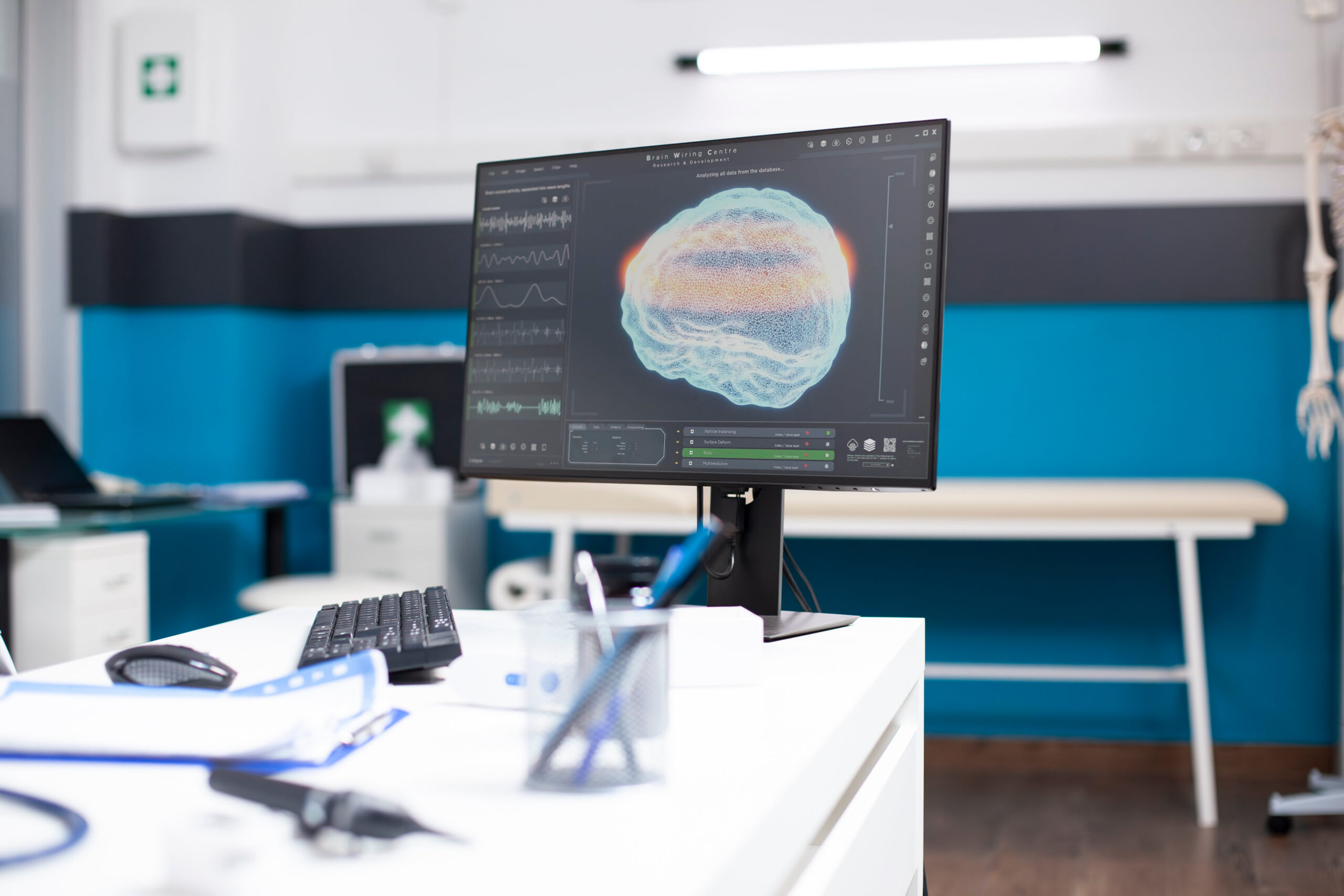
TMS vs Medication: Which Treatment Is Better for Depression?
When you are dealing with depression, one of the biggest questions is often this: should you try medication, or is there a better non-drug option like TMS? The honest answer
Trusted by patients across Rochester

Personalized brain mapping

100% online intake

Visits by appointment only
Dr. Robert Myers, D.O. is a board-certified neurologist and UCNS-certified headache specialist who combines modern neuroscience with hands-on care. As a third-generation osteopathic physician, OMT has always been central to his approach. Trained at top programs like Mount Sinai, he founded Navira Brain & Body to offer Therapeutic Neurostimulation, OMT, nerve blocks, and trigger point injections in personalized treatment plans for people with complex neurologic, psychiatric, and pain conditions.

Neurologist led protocols for TMS

Expertise in OMT for musculoskeletal care

Precision cranial and occipital nerve blocks and trigger point injections

Personalized plans based on goals and current research
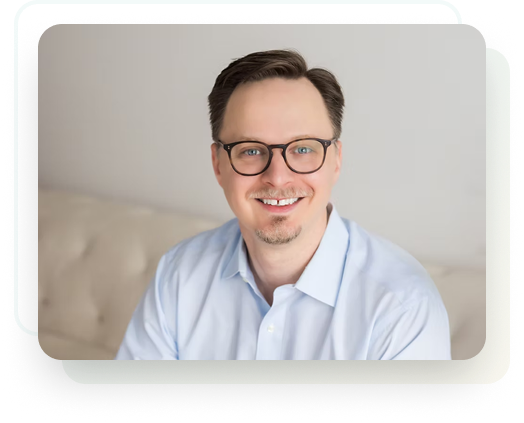
Neurologist
“In my work as a neurologist, I have met so many people who were suffering—but let down by the conventional model. Too often, they were told that if medication or surgery didn’t work, there was nothing else we could do.I refused to accept that.”
Evidence-guided articles from a neurologist-led clinic in Rochester, NY. Learn what to expect, who it helps, and how to take the next step.

When you are dealing with depression, one of the biggest questions is often this: should you try medication, or is there a better non-drug option like TMS? The honest answer

For many people, brain fog is hard to explain but impossible to ignore. You may feel slower, less focused, forgetful, or mentally drained even when you are trying your best
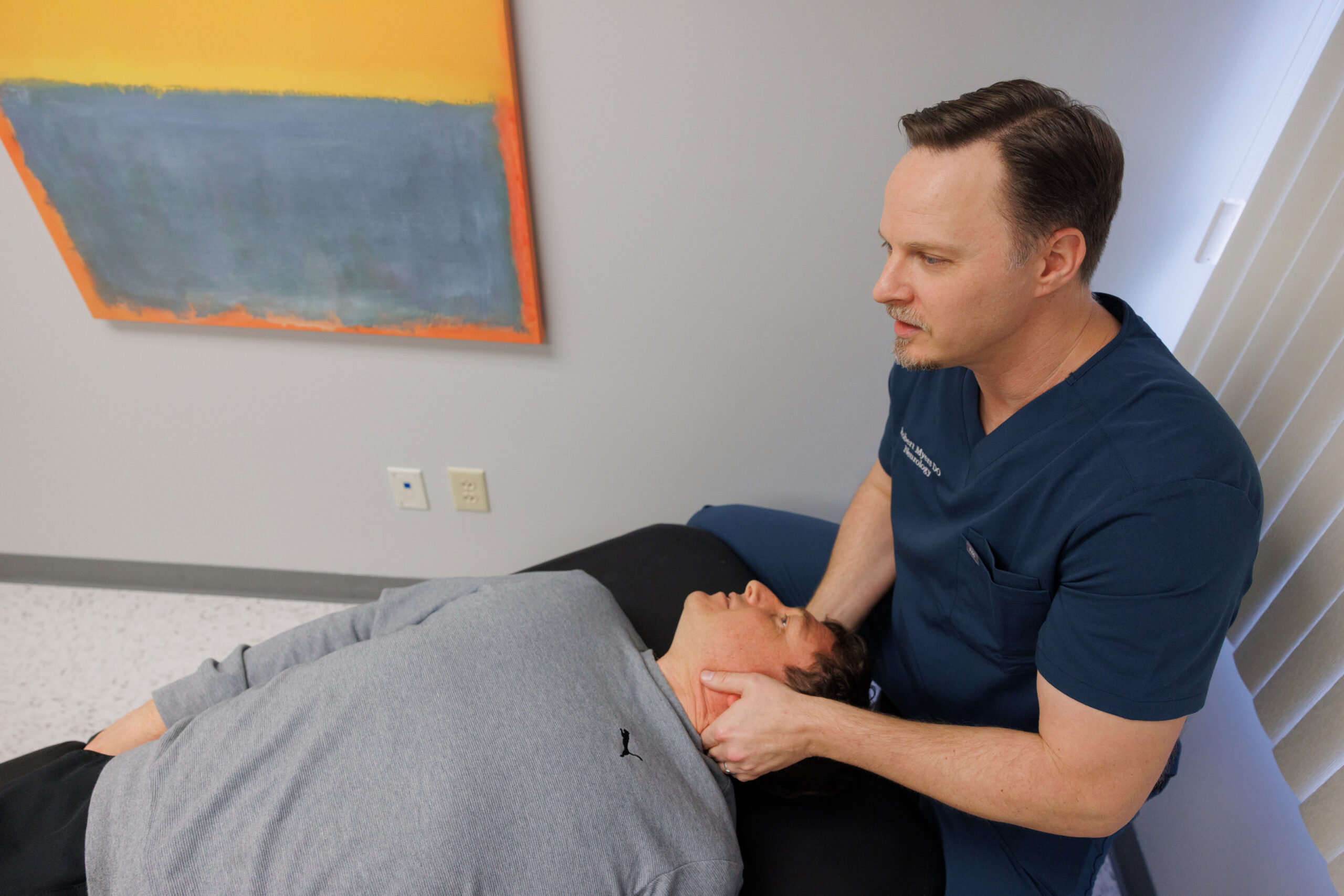
Neck pain, back pain, tight muscles, and recurring headaches can make everyday life harder than it should be. You may feel stiff when you wake up, tense after sitting at
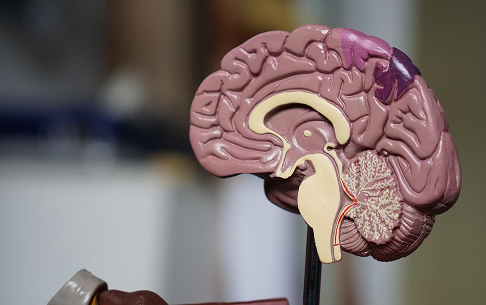
If you have been dealing with low mood, brain fog, stress, or burnout, it can start to feel like you have tried everything. However, medications do not always work for

If you have been struggling with depression, brain fog, burnout, or emotional heaviness for a long time, it can be hard to imagine feeling like yourself again. That is one
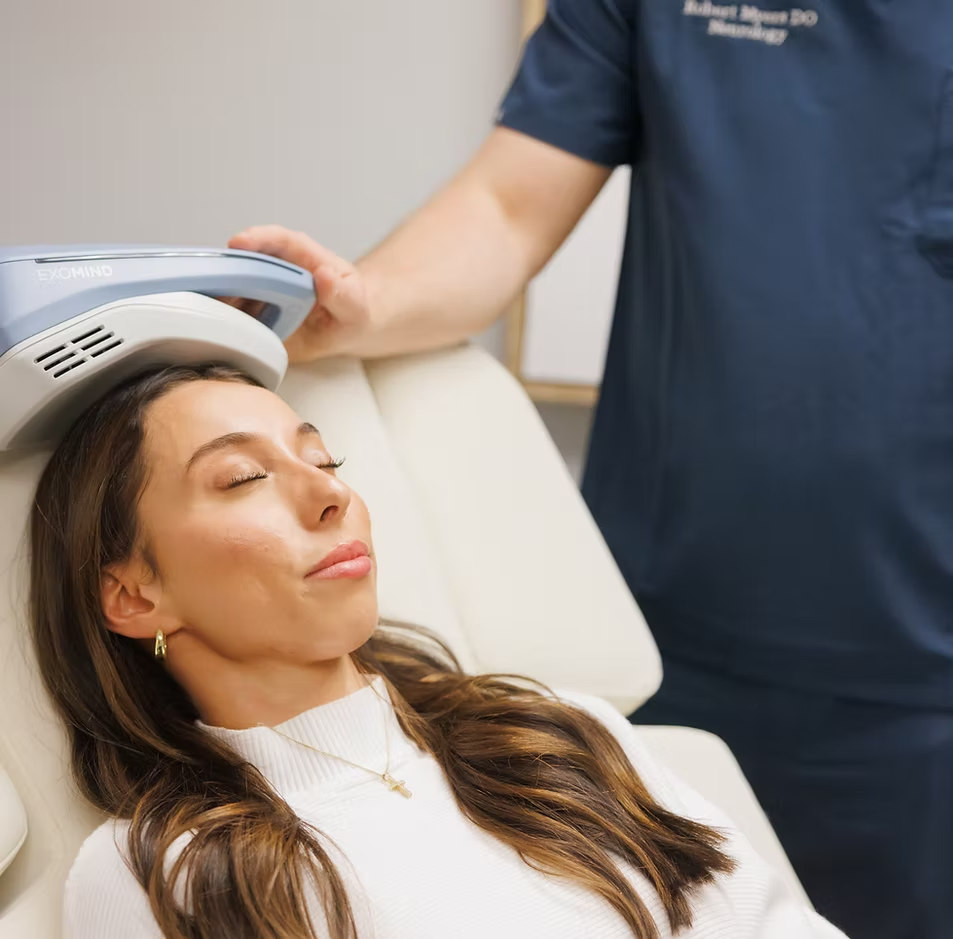
If TMS helped you once, it can be unsettling to notice old symptoms starting to return. For some people, transcranial magnetic stimulation can create a dramatic shift in mood, motivation,
• Chronic pain often leads to reflexive muscle tightening (guarding), which limits motion and perpetuates pain.
• OMT techniques like muscle energy and counterstrain relieve hypertonicity, restore range of motion, and reduce nociceptive input.
• Chronic stress/pain activates the sympathetic nervous system (fight-or-flight), worsening inflammation and reducing healing.
• OMT techniques (for example, craniosacral therapy, rib raising) help balance autonomic tone, decreasing sympathetic overactivity and enhancing parasympathetic function.
• Chronic pain often localizes dysfunctions in joints, fascia, and viscera.
• Soft tissue, HVLA, and myofascial release techniques restore normal alignment and improve proprioception.