


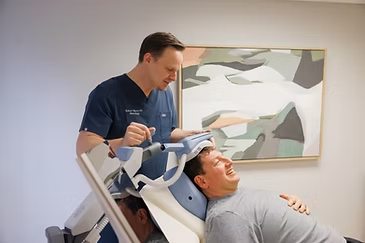

If you’re searching for TMS in Rochester, NY, you’re probably looking for real answers. You may want to know whether transcranial magnetic stimulation is safe, whether it actually helps, and what treatment is like day to day. For many people dealing with depression, burnout, brain fog, or a sense that nothing has worked well enough, those questions matter.
Transcranial Magnetic Stimulation (TMS) is a noninvasive treatment that uses targeted magnetic pulses to stimulate specific brain circuits involved in mood regulation and brain function. It is most commonly used for major depressive disorder, especially when medications or therapy have not brought enough relief.
At Navira Brain & Body in Rochester, NY, TMS care is part of a broader neurologist-led approach focused on mood, focus, recovery, pain relief, and brain-body wellness. Instead of a one-size-fits-all model, the goal is to understand the person behind the symptoms and build a plan that makes clinical sense.
What Is TMS?
TMS is a treatment that delivers magnetic pulses through a coil placed against the scalp. These pulses stimulate targeted areas of the brain associated with mood and cognitive function. The treatment does not involve surgery, sedation, or anesthesia.
Most people are able to return to normal daily activities right after a session. That is one reason TMS therapy in Rochester, NY has become a meaningful option for adults looking for a non-drug treatment path for depression and related symptoms.
Who TMS May Help
TMS is not the right fit for everyone, but it can be a strong option for the right patient. It is most often considered for people who want a different next step and are looking for a medically guided, noninvasive treatment.
1. People with major depressive disorder
TMS is best known for helping adults with major depressive disorder (MDD), especially when symptoms have continued despite standard treatment. If antidepressants have not helped enough, have caused difficult side effects, or have felt like an exhausting cycle of trial and error, TMS may be worth exploring.
At Navira, FDA-cleared TMS protocols are used for:
- Major Depressive Disorder (MDD)
2. People looking for a non-drug depression treatment
Some patients want to reduce reliance on medications or explore options that do not affect the entire body. TMS works differently. Instead of circulating through the bloodstream like medication, it targets specific brain circuits directly.
For people searching for non-drug depression treatment in Rochester, NY, this can be one of the main reasons TMS stands out.
3. People dealing with depression plus focus, sleep, or stress-related symptoms
Low mood does not always show up as sadness alone. Many people also describe brain fog, poor focus, low motivation, disrupted sleep, stress overload, or a sense that their nervous system feels “stuck.” While TMS is most established for depression, it is also being studied in other areas depending on the protocol and the clinical picture.
At Navira, TMS is being studied for conditions such as:
- OCD
- Binge eating disorder
- Anxiety
- PTSD
- Addiction and cravings
- Sleep issues
- Brain fog
- Chronic pain
- Perimenopausal cognitive and mood symptoms
Important note: These uses are investigational and are not FDA-approved.
Who TMS May Not Be Right For
A trustworthy TMS evaluation should also cover when treatment may not be appropriate. Not everyone is a candidate, and proper screening matters.
1. People with certain metal implants or devices near the head
Because TMS uses magnetic fields, certain implanted devices or metal objects near the head may make treatment unsafe. This is one of the reasons a careful medical review is essential before starting treatment.
2. People with a significant seizure risk
Seizure is the most serious potential risk of TMS, but it is considered rare when the right screening and protocols are followed. People with a seizure history or other risk factors need individualized review before moving forward.
3. People expecting an instant fix
TMS is a structured treatment course, not a one-visit solution. It works best when patients understand that progress usually happens over time and that consistency matters.
What Does TMS Feel Like?
One of the most common patient questions is simple: What does TMS feel like?
Most people describe TMS as:
- A tapping or clicking sensation on the scalp during treatment
- Mild discomfort early on that often becomes easier after a few sessions
- A treatment that does not involve sedation or recovery time
Some patients may notice mild headache or scalp sensitivity, especially at the beginning. These side effects are usually temporary and manageable.
What to Expect at Navira in Rochester, NY
If you are considering TMS therapy in Rochester, NY, understanding the process can make the decision feel less overwhelming. While every treatment plan is individualized, here is what the general experience may look like at Navira Brain & Body.
Step 1: Neurologist-led consultation and screening
Your first step is a consultation focused on understanding your symptoms, history, and goals. This may include:
- Reviewing what symptoms you are trying to improve
- Discussing past treatments and what has or has not helped
- Reviewing medications and relevant medical history
- Screening for implants, metal exposure, or seizure risk
- Determining whether TMS is a reasonable next step
This is especially important for patients who want neurologist-led care in Rochester, NY and are looking for more than a generic treatment recommendation.
Step 2: Personalized treatment planning
TMS is not simply turned on the same way for every person. Treatment planning is based on your evaluation, your symptom pattern, and the clinical goal of care. The purpose is to create a plan that is medically appropriate and personalized.
Step 3: The treatment course
Many TMS protocols for depression involve sessions five days a week over several weeks. Session length depends on the protocol used. Consistency is important, because TMS is designed as a course of care rather than a one-time visit.
Step 4: Progress tracking
During care, progress is typically monitored based on symptoms that matter in daily life, including:
- Mood and emotional resilience
- Energy and motivation
- Sleep quality
- Focus and mental clarity
- Overall functioning
This can help patients see changes more clearly over time, especially when improvements happen gradually rather than all at once.
Step 5: Next-step planning after treatment
After the treatment course is completed, the next phase may include follow-up guidance, long-term symptom monitoring, or additional supportive care when clinically appropriate.
Because Navira takes a broader brain-body approach, treatment planning may also consider related issues such as headache, chronic tension, pain patterns, and nervous system stress responses when relevant.
Why Patients in Rochester Explore TMS
People often start searching for TMS because they are tired of feeling stuck. They may be functioning on the outside while privately dealing with low mood, poor concentration, stress overload, emotional flatness, or a constant sense of exhaustion.
Others are searching because they want a treatment option that feels more targeted, more medically grounded, or less dependent on medication changes. For these patients, TMS can offer a different path forward.
That does not mean it is the right answer for every person. It means it may be a conversation worth having with a qualified provider who can look at the full picture.
How to Know if It May Be Time to Book a TMS Consultation
You may want to explore TMS at Navira if:
- Your depression symptoms have lasted for months or longer
- You have tried medication but have not gotten enough relief
- Medication side effects have been difficult to tolerate
- You want a noninvasive, non-drug treatment option
- You value a neurologist-led evaluation rather than a one-size-fits-all approach
- You are also dealing with brain fog, stress overload, pain, or other nervous system-related concerns
You may need a different first step if:
- You have a device or implant that has not yet been screened for TMS safety
- You have uncontrolled seizure risk factors
- You are unable to commit to a consistent treatment schedule
Frequently Asked Questions About TMS in Rochester, NY
Is TMS painful?
Most people describe TMS as a tapping sensation on the scalp. Some discomfort can happen early in treatment, but many patients find it becomes easier after the first few sessions.
Can I drive after a TMS session?
Yes. TMS does not require anesthesia or sedation, so most patients return to normal activities right away, including driving.
How long does a TMS treatment course take?
Many depression protocols involve treatment five days per week for several weeks, though the exact plan depends on the protocol and the patient’s needs.
Is TMS FDA approved?
TMS is FDA-cleared for major depressive disorder. Other uses may be investigational depending on the condition and treatment protocol.
Who should not get TMS?
People with certain metal implants or implanted devices near the head may not be candidates. Proper screening is essential before treatment begins.
Final Thoughts on TMS at Navira
If you have been searching for answers and wondering whether TMS in Rochester, NY could be the right next step, the most important place to begin is with a careful evaluation. TMS is not about chasing trends or quick fixes. It is about determining whether a targeted, noninvasive treatment makes sense for your symptoms, your history, and your goals.
At Navira Brain & Body, that conversation happens through a neurologist-led lens with attention to the full brain-body picture. For patients who want more clarity, more direction, and a thoughtful treatment plan, that next step may start with a consultation.