

About Navira Brain & Body
Who we serve — and why we're here
Navira delivers:
Exomind (personalized TMS)
By gently stimulating specific areas of the brain, TMS helps normalize neural activity and support the brain's natural ability to restore healthy mood regulation and function
Timeline
Restores normal motion to the musculoskeletal system the way TMS restores normal communication in neural circuits
Ideal for pain, headache disorders, radiculopathy, muscular strain & spasm, & more
Cranial & Occipital Nerve Blocks, & Trigger Point Injections
To help with headache disorders and head or facial pain refractory to medication.
Ideal for migraine, cluster headache, tension headache, hemicrania continua, new daily persistent headache, occipital neuralgia, and more
We use FDA-cleared TMS protocols for:
Major Depressive Disorder
TMS is being studied for conditions such as:
OCD
Binge eating disorder
Anxiety
PTSD
Addiction and craving
Sleep
Brain Fog
Chronic pain
Perimenopausal cognitive and mood symptoms

Meet the Founder
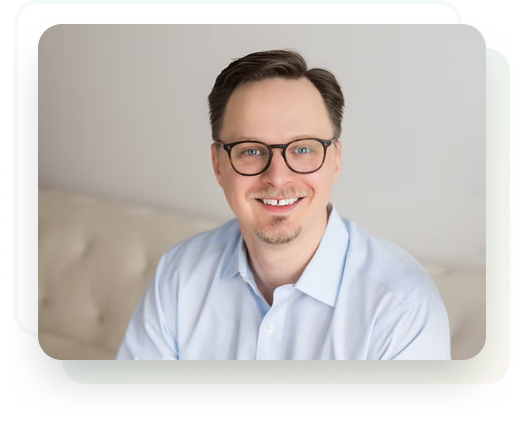
Dr. Robert Myers D.O.
Dr. Myers is a board-certified neurologist, certified headache specialist, and third-generation osteopathic physician. His approach blends cutting-edge neuroscience with hands-on care—shaped by both high-level training and a lifelong connection to the healing power of touch.
Dr. Myers grew up just outside Chicago, in the house next door to his grandfather—a compassionate and exceptional Osteopathic Physician who ran an Osteopathic Manual Therapy (OMT) practice out of his home. Patients came in hurting and walked out moving freely. As a child, Dr. Myers didn’t need research papers to know OMT worked—he saw it with his own eyes.
In their family, OMT wasn’t an alternative. It was the first step. When someone was in pain, you started with your hands, not a prescription pad.
Board Certified
Neurologist
Professional Experience
Training and Background
- Medical Degree: Chicago College of Osteopathic Medicine
Earned a competitive OMT scholarship and completed a year of advanced training in osteopathic manipulative
treatment
Taught medical students and residents a wide range of hands-on osteopathic techniques
- Neurology Residency: University of South Florida
- Fellowship: Headache and Facial Pain, Mount Sinai Hospital (New York City)
- Current Practice: Rochester, NY
Moved to Rochester after the birth of their first child to be closer to family and to build a different kind of practice — one that combines neuroscience with hands-on, restorative care
At Navira Brain & Body, Dr. Myers integrates TMS, OMT, and precision cranial & occipital nerve blocks & trigger point injections into personalized treatment plans for people with depression, chronic pain, stress-related illness, and more.